Crown thinning in Yeading
If you are looking for crown thinning in Yeading, you are probably trying to solve a very real problem: a tree that has become too dense, too heavy, too shaded, or simply too close to the house, garden, driveway, or neighbouring property. In an area like Yeading, where homes, roads, shared boundaries, and commercial premises sit close together, the right tree work can make a noticeable difference to light levels, airflow, safety, and the overall look of your outside space. Crown thinning is one of the most effective ways to improve a tree’s structure without taking away its natural shape.
For many local customers, the aim is not to remove a tree entirely. It is to manage it carefully so it works better for the property and the surrounding space. That could mean reducing the weight in a broad canopy, helping wind pass through more easily, lowering the chance of branch failure, or allowing more daylight into a shaded garden or office car park. A properly carried out crown thinning service can achieve all of that while keeping the tree healthy and attractive.
Whether you own a family home near Yeading Lane, manage a commercial site, look after a shared parking area, or simply want a tree to sit more comfortably in your garden, it helps to use a local team that understands the area, the access challenges, and the expectations of nearby residents and businesses. Contact us today if you would like practical advice on whether thinning is the right option for your tree.
What crown thinning involves
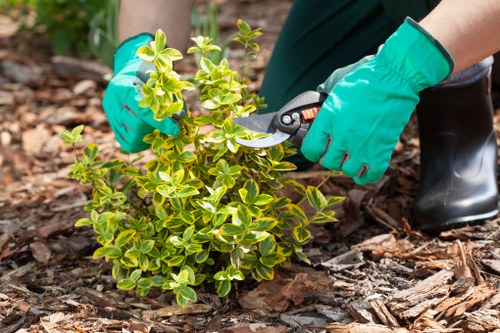
Crown thinning is the selective removal of a small proportion of branches throughout the canopy. The purpose is not to shorten the tree dramatically or change its overall outline, but to reduce density in a balanced, considered way. A skilled arborist will identify which stems to remove so the tree keeps its natural form, while letting more light through and reducing the resistance of the crown to wind.
This type of work is often chosen when a tree looks healthy but feels overgrown. Perhaps the branches are rubbing against each other, the canopy is blocking sunlight from lawns or windows, or the tree has become noticeably heavy on one side. In those situations, tree crown thinning can improve both the appearance and the function of the tree without resorting to more severe cutting.
It is important to understand that crown thinning is different from crown reduction or topping. Thinning removes selected branch tips and small limbs across the crown, while reduction changes the size of the tree more noticeably. If you are unsure which service you need, a local inspection can help determine whether crown thinning in Yeading is the most suitable approach for your site.
Why Yeading customers ask for crown thinning
Yeading has a mixture of housing styles, from terraced streets and semi-detached family homes to larger plots, post-war developments, and commercial estates. Many of these properties sit close to established trees, so a canopy that was once manageable can start to create issues as it matures. Low light, heavy leaf fall, damp shaded areas, and branches overhanging roofs or shared boundaries are all common reasons for calling in a tree specialist.
Local customers often ask for crown thinning because it helps solve multiple concerns at once. A dense tree can make a garden feel smaller, reduce usable space, and make lawns struggle in the shade. In commercial settings, trees may obstruct signage, affect visibility, or create dark parking areas. Thinning can improve these conditions while still preserving the tree, which is especially useful where the tree provides value for privacy, screening, or local character.
In areas around Yeading, access can also matter. Narrow side returns, limited parking, shared driveways, rear garden access, and busy roads can all affect how tree work is planned. Choosing a local team means the job can be assessed with those real-world conditions in mind, so the work is done efficiently and with less disruption to you, your neighbours, and your business.
Benefits of crown thinning for homes and businesses
The practical benefits of tree crown thinning go beyond appearance. Many customers are surprised by how much more comfortable a garden or property feels once a dense canopy has been carefully opened up. More daylight can reach windows and patios, and air movement through the crown is improved. That can help reduce the damp, still feeling that often builds up beneath a thick tree canopy.
For homeowners, one of the most noticeable benefits is often the improvement in natural light. If a tree is overshadowing a kitchen, lounge, conservatory, or home office, a carefully thinned crown can make the room feel brighter without removing the tree’s presence altogether. In outdoor spaces, it can also help grass, shrubs, and planting underneath the canopy cope better.
For commercial customers, the advantages may be even more practical. Better visibility, cleaner lines around entrances, safer car parks, and fewer concerns about falling small branches in windy weather all matter. Businesses in and around Yeading, including retail units, offices, schools, nurseries, community properties, and industrial or warehouse sites, may find that crown thinning gives them a much better balance between safety and kerb appeal.
How crown thinning works
Step-by-step approach from a local tree team
The process usually begins with an assessment of the tree, the site, and your reasons for requesting the work. The tree specialist will look at the species, age, shape, recent growth, previous pruning, and any signs of stress or disease. They will also consider the surrounding buildings, fences, overhead obstacles, footpaths, vehicles, and neighbouring gardens.
Once the tree has been assessed, the thinning work can be planned. A good arborist will remove selected branches from throughout the crown rather than clustering cuts in one area. The aim is to keep the structure even and avoid creating gaps or a lopsided appearance. This careful approach helps the tree keep a natural balance and reduces the risk of over-pruning.
After the main cuts are completed, the team will usually clear away the cuttings and leave the site tidy. Depending on access and the size of the tree, this may involve careful dismantling, climbing work, or the use of ground-based equipment. In tight Yeading properties, good planning makes a huge difference, particularly where access is restricted or where vehicles need to be kept moving.
What a quality service usually includes
- Initial site assessment and practical advice
- Selecting branches for balanced crown thinning
- Safe working methods suited to the property
- Removal and tidying of cut branches and debris
- Respect for neighbouring properties and access routes
- Clear communication before, during, and after the work
When crown thinning is the right choice
Signs your tree may need attention
Not every tree needs the same kind of care. Some trees require reduction, some need dead wood removed, and others only need a light structural prune. Crown thinning tends to be the right option when the tree is fundamentally sound but too dense for its setting. You might notice branches crossing, the canopy catching a lot of wind, or shade becoming a bigger issue every year.
A tree may also benefit from thinning if it is affecting a neighbouring property. Dense overhanging branches can block light, drop large amounts of leaf litter, or feel intrusive over a shared boundary. In many cases, crown thinning is a considerate way to manage the tree while maintaining good relationships with neighbours and keeping the tree looking well cared for.
It can also be a smart choice for trees in front gardens, communal areas, and commercial landscapes where appearance matters. A well-managed canopy often looks healthier and more intentional than a tree left to become overly congested. If you want a result that improves the tree without making it look cut back too hard, this service is often the best fit.
Common reasons customers enquire
- The tree blocks too much daylight
- The canopy feels heavy or crowded
- Branches are rubbing or crossing inside the crown
- There are concerns about wind resistance
- The property feels shaded or damp underneath the tree
- Leaves and small debris are building up too heavily
- The tree needs managing near roofs, fences, or walkways
Local property types and access challenges in Yeading

One reason local knowledge matters is that no two jobs are quite the same. In Yeading, tree work may be carried out in compact rear gardens, beside semi-detached homes, around apartment blocks, or on larger plots with boundary planting. Commercial sites may have vehicle access constraints, delivery schedules, or customer parking to think about. Even where the tree itself is straightforward, the access to it may not be.
That is why it helps to choose a team that understands local conditions and can work around practical limitations. For example, some properties may have narrow side access that makes moving equipment difficult. Others may need branches to be lowered carefully rather than dropped. On busy streets, temporary vehicle positioning may need to be managed sensibly to avoid disruption. These details matter when you want the work completed smoothly and safely.
A local arborist is also more likely to be familiar with the types of trees often found across the area, including mature ornamental species, boundary conifers, and broadleaf trees that have been planted for screening over the years. Different species respond differently to pruning, so experience with local gardens and commercial landscapes is a real advantage.
Why choose a local company for crown thinning in Yeading
Practical benefits that matter to customers
Choosing a local company is about more than convenience. It usually means better understanding of the area, quicker visits for assessments, and more realistic planning around access and site conditions. It also means you are working with a team that understands the mix of housing, traffic, and commercial premises in and around Yeading, including nearby neighbourhoods and connecting routes.
Local teams are often better placed to advise on the most suitable level of thinning for your tree. Some trees only need a subtle amount of work, while others require a more noticeable opening up of the crown. A good local professional will explain the options clearly, so you can decide what feels right for your home, garden, or business premises.
Another advantage is responsiveness. If you are trying to arrange work around family routines, tenants, staff, customers, or deliveries, it can help to use someone nearby who understands how to keep disruption low. This is particularly useful where trees are close to driveways, sheds, garages, outbuildings, communal paths, or shopfronts.
What customers often value most
- Clear, honest advice based on the tree’s condition
- Work that suits the property rather than a one-size-fits-all approach
- Respect for neighbours, businesses, and shared access
- A tidy finish with sensible waste handling
- Good communication and reliable appointment planning
What influences the price of crown thinning
Many customers want to know what affects the cost before they request a quote. While exact prices depend on the site, several practical factors usually influence the estimate. The size and height of the tree matter, as does the amount of work required. A small ornamental tree in an open front garden is very different from a large mature tree overhanging a roof, garage, or commercial car park.
Access is another important factor. If the team can park nearby and reach the tree easily, the job may be simpler than a property with no direct vehicle access, rear-garden-only entry, or limited space for equipment. The amount of waste created, the need for careful branch lowering, and whether there are obstacles such as fences, sheds, glass roofs, or adjacent structures may also affect the overall job shape.
Some customers ask about the best time of year for crown thinning. The ideal timing depends on the species, the condition of the tree, and the reason for the work. In many cases, a tree can be thinned at various points in the year, but a professional should advise based on the specific tree and the local setting. If the aim is to reduce shading before summer or improve airflow ahead of windier weather, that can also help with scheduling the work at a suitable time.
Request a free quote if you would like a clear, practical estimate based on your tree, your property, and your access conditions.
How to prepare for your tree work
A simple checklist for home and business owners
Good preparation helps the work go smoothly and can reduce delays on the day. You do not need to do anything complicated, but a few sensible steps can make a difference, especially if the tree is close to a driveway, patio, access path, or customer area. If you are arranging crown thinning at a commercial site, it can also help to let staff or occupants know in advance.
Before the visit, think about access to the tree and how the team will reach it. If there are parked vehicles, garden furniture, ornaments, bins, children’s toys, or fragile items nearby, moving them out of the working area is often helpful. If the tree is close to your neighbour’s property, it can also be useful to mention shared access or any concerns so the work can be planned carefully.
Preparation checklist:
- Clear cars from the immediate working area if possible
- Move garden furniture and delicate items away from the canopy
- Make sure gates, side passages, or access routes are unlocked or available
- Keep pets and children away from the work zone
- Let neighbours know if branches may pass near a boundary
- Highlight any underground features, ponds, cables, or fragile structures nearby
Health, safety, and the importance of the right approach
Why careful thinning matters
Although crown thinning is designed to improve a tree, it needs to be done properly. Removing too many branches, cutting in the wrong places, or leaving an unbalanced crown can place stress on the tree and create future problems. A thoughtful approach is essential, especially on mature trees or trees that have already been pruned in the past.
Good tree care focuses on the long-term wellbeing of the tree as well as the immediate result. The aim is to reduce density while preserving the tree’s strength, appearance, and growth pattern. That is why skilled pruning matters. A professional will know how much to remove, how to maintain balance, and how to avoid leaving the tree looking stripped or uneven.
Safety matters too. Trees near roads, footpaths, fences, sheds, roofs, and power lines require planning and controlled working methods. In built-up parts of Yeading, especially where properties are close together, working carefully is just as important as working efficiently. This is one of the main reasons to use a reputable local tree team rather than attempting the job without the right experience or equipment.
Areas covered around Yeading
Where local crown thinning services are often requested
Customers looking for crown thinning in Yeading often live or work in nearby areas as well. The same kind of tree management is commonly requested across surrounding neighbourhoods where homes, gardens, and business sites are closely connected. If your tree is in or near Yeading, the service may also be relevant for nearby parts of Hayes, Northolt, Southall, Hillingdon, Greenford, and the wider local area depending on access and job requirements.
Typical locations include residential streets, shared estates, school grounds, retail parks, office areas, industrial yards, and communal landscaped spaces. Whether the tree is part of a private garden or a managed site, the same principles apply: improve the canopy, keep the tree healthy, and make the space safer and more pleasant to use.
If you are not sure whether your property falls within the usual service area, it is still worth getting in touch and explaining the location, the tree type, and any access concerns. A local provider can then advise whether the work is suitable and how it may be arranged.
Frequently asked questions
Common customer questions about crown thinning
Will crown thinning harm my tree?
When done properly, crown thinning should not harm a healthy tree. It is a selective pruning method intended to improve structure and light levels while keeping the tree’s natural shape. The key is to remove the right amount and avoid over-pruning.
How much of the crown is usually removed?
The amount removed depends on the tree, its condition, and the desired result. A professional will assess the canopy and decide how much thinning is appropriate for the species and setting. The goal is usually a balanced reduction in density rather than a drastic change.
Is crown thinning suitable for large trees in small gardens?
Yes, it can be a very useful option where space is limited and the tree is creating too much shade or wind resistance. However, the tree should be assessed carefully to make sure thinning is the right method and that access can be managed safely.
Can you thin a tree near a house or garage?
Yes, many crown thinning jobs take place near buildings, but the work should be planned carefully. Branches may need to be lowered in a controlled way, and the surrounding area should be protected where necessary. Local experience is especially helpful in these situations.
What happens to the branches and debris?
Most customers prefer the cuttings to be removed as part of the service. The exact arrangements can be discussed beforehand, but a tidy finish is an important part of any professional tree work.
Do I need permission before tree work?
Some trees may be subject to restrictions, depending on their location and protection status. If there is any reason a tree might be protected or subject to special controls, it should be checked before work starts. A local tree specialist can help you understand what needs to be considered.
How do I know whether I need thinning or reduction?
That depends on what you want to achieve. If the tree is mainly too dense, thinning may be best. If the tree is too large overall, reduction may be more suitable. An assessment on site is the best way to choose the right approach.
Why customers book crown thinning with a local tree specialist
People usually enquire because they want a clear outcome: more light, a lighter canopy, improved airflow, and a better-looking tree that still feels natural in the landscape. They also want the work completed with care, minimum hassle, and a tidy finish. That is exactly where a local service makes a difference. A tree team that works regularly in Yeading understands the type of properties in the area, how to handle parking and access, and how to plan the work around the everyday realities of local homes and businesses.
Another reason customers choose a local provider is the reassurance that the advice is practical. There is no need for guesswork or overly aggressive pruning. A responsible arborist will look at what the tree actually needs, explain the options clearly, and carry out the work in a way that supports the long-term health of the tree and the needs of the property owner.
If your tree is shading a room, crowding a garden, creating wind issues, or becoming awkward near a boundary, now is a good time to act. Book your service now and take the first step toward a safer, brighter, better-managed outdoor space. If you prefer to talk it through first, request a free quote and get advice tailored to your tree and location.
Final thoughts on crown thinning in Yeading
Crown thinning is one of the most useful forms of tree care for local property owners who want to improve light, reduce density, and keep a mature tree looking good. In Yeading, where many gardens and premises sit close to neighbouring properties and busy access routes, that balance matters even more. The right service can make a tree feel less intrusive while preserving the natural beauty and value it brings to the site.
If you are comparing options for a tree that feels too heavy, too dark, or too wide for its surroundings, crown thinning may be the right answer. A local professional can assess the canopy, explain what is likely to help, and carry out the work with care for both the tree and the property. Contact us today to discuss your tree and arrange the next step.